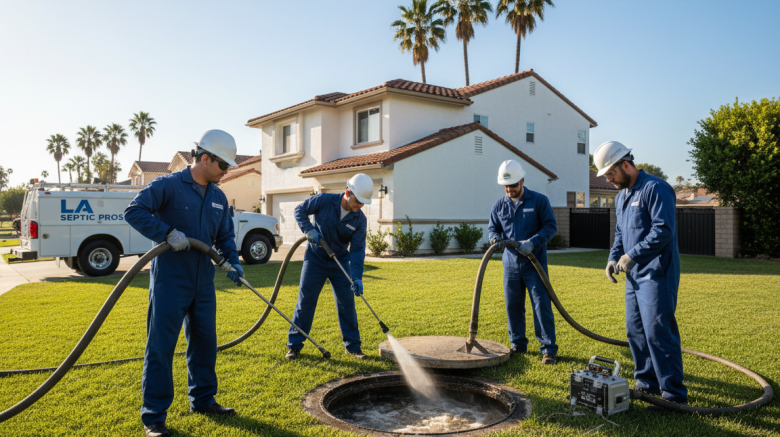
Effective septic tank upkeep in LA helps ensure proper system performance, safeguarding public health and reducing the risk of environmental contamination. Homeowners who stay consistent with septic care often lower repair costs. Such ongoing maintenance also helps support the overall safety of Los Angeles neighborhoods.
Septic System Tune-Up Services
Septic systems process gray water from showers and washers, in addition to black water from toilets and kitchen sinks. Within the tank, anaerobic bacteria decompose solids. After that, the effluent travels toward a soil absorption field, sand filter, or similar secondary treatment system.
Septic systems rely on gravity flow or pump stations to move effluent. The right balance of microbial action, system sizing, and wastewater flow are all critical for performance. Simple day-to-day maintenance habits support this delicate balance.
Monitoring unusual sounds, odors, and the look of effluent is important. Conserving water and maintaining service records are equally important. These practices support faster troubleshooting and support property value during a sale. Well-known resources, including the EPA and local septic professionals, advocate for regular inspections and recordkeeping to avoid system failures.
How Septic Systems Work In Los Angeles
Knowing how a septic system works helps homeowners choose effective maintenance solutions and avoid costly repairs. This guide explains the essential components, common system types in LA, and the ways local soils and climate shape performance.
Core Components Of A Conventional Septic System
A conventional septic system includes a septic tank and a soil absorption field. This tank divides solids, scum, and effluent. The heavier waste settles and starts breaking down anaerobically, while lighter materials rise and form a scum layer.
The drainfield disperses the treated effluent into the ground. At that stage, soil and microbial action complete the treatment. The size of a septic system for an LA property depends on household demand and soil absorption capacity.
Common Types Of Septic Systems Found In LA
Properties across Los Angeles use various septic system types based on soil, slope, and available space. Where the land permits, gravity-fed systems are a common choice. Pumped pressure-distribution systems are selected for properties with elevation changes or deep tanks.
If soils do not drain well, homeowners often need secondary treatment systems. Aerobic treatment units (ATUs) introduce oxygen for aerobic bacteria. Small oxidation ponds and sand filters are additional options in urban or constrained sites. Recognizing these designs helps homeowners choose the right maintenance solutions for their property.
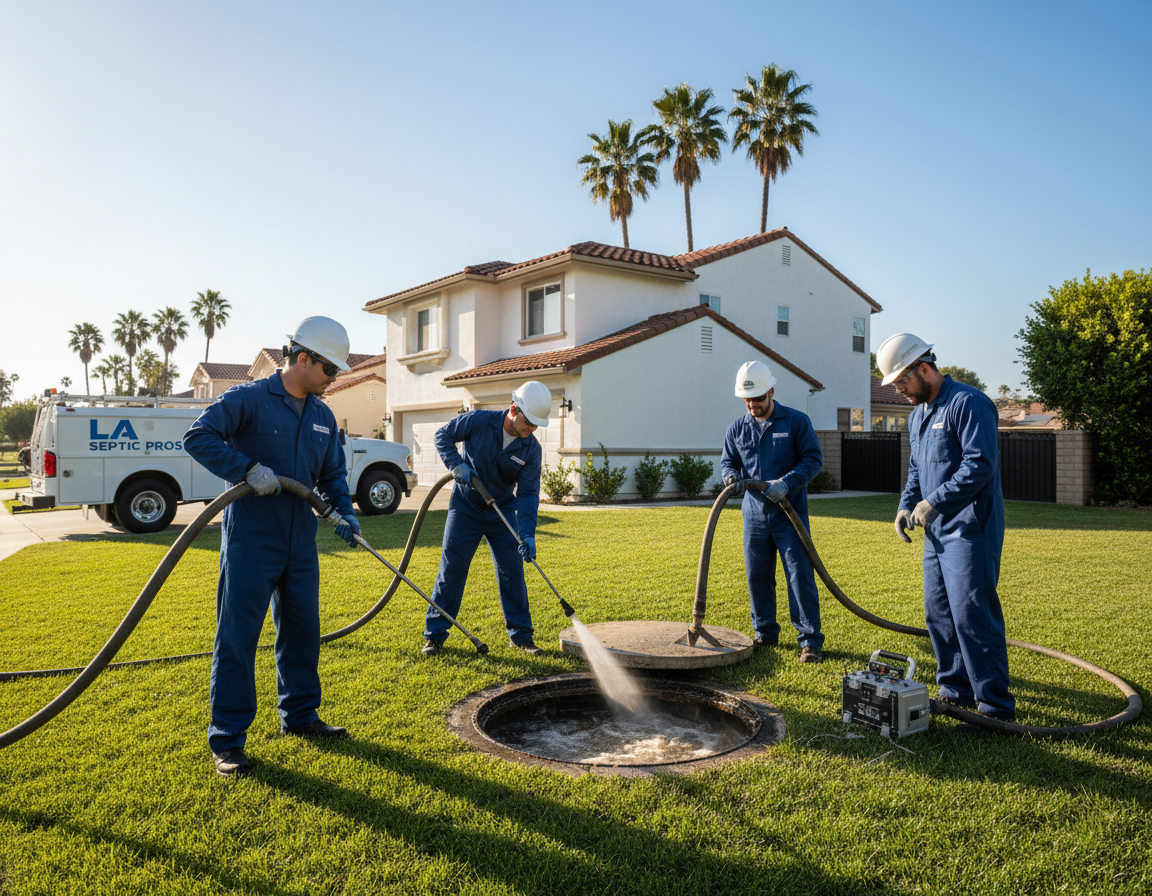
Key Factors That Affect System Performance
Microbial activity is vital to septic digestion. Beneficial microbes digest organics in the tank and surrounding soil. Too many harsh disinfectants may weaken the bacteria the system depends on and reduce system effectiveness.
Total effluent volume and contaminant levels also affect system load. Undersized systems face a greater risk of failure. The system should be sized according to household size, water use, and fixtures.
Climate and yard conditions also matter greatly. Dry periods, heavy irrigation, or runoff can saturate the drainfield and limit oxygen exchange. Homeowners who follow routine maintenance and choose solutions suited to their site improve the chances of long-term performance.
Maintaining Septic Tanks In LA
In Los Angeles, keeping a septic system in good condition takes regular care and organization. Consistent inspections and properly timed pump-outs are key to reduce the risk of costly repairs. Below, we outline a maintenance schedule, keep reliable records, and know when to call a professional.
Recommended Inspection And Pumping Schedule
A general schedule is to inspect the system every six years and pump it no less than every eight years. This timeline may need to change based on household size, tank capacity, and system type. Properties with elevated water use or garbage disposals often need service sooner.
If your property has a smaller tank or an advanced unit, inspections may be needed every one to three years. Arrange regular service with licensed providers that offer scheduled septic maintenance services tailored to your system’s needs.
Recordkeeping And System Documentation
Maintain a file containing installation dates, tank capacity, model details, and service records. Include photos of lids, distribution boxes, and model plates to help with future diagnostics. Store contracts and pump-out receipts as well for resale disclosures and warranty claims.
Maintain a straightforward service log. Write down service dates, completed work, and technician names. Accurate documentation supports ongoing septic maintenance and helps when signing up for septic maintenance plans in Los Angeles.
When You Should Call Local Septic Maintenance Experts
Contact a licensed septic professional or residential septic maintenance specialist when alarms sound, odors persist, wet areas appear, or drains begin backing up. Visible solids in chambers or unusual growth over the drainfield also call for quick attention.
Work with local pros who have strong customer reviews and proper licensing. Emergency readiness can reduce downtime; for advanced units like ATUs, keep recommended spare parts on hand. Routine servicing and prompt expert support help protect both your health and your property.
Everyday Practices To Keep Your Septic System Running Properly
Small daily habits can make a major difference in septic tank care and maintenance. Repairing leaks and installing low-flow toilets and showerheads can significantly lower water usage. Shorter showers and spread-out laundry cycles help avoid sudden surges that stress the drainfield.
Conserving water and improving household routines
Address dripping taps and continuously running toilets right away. Washing full loads in dishwashers and laundry machines helps conserve water. Doing this lowers the burden placed on the tank’s biological treatment process.
What should never go down the drains or disposal
Do not flush items such as diapers, wipes, feminine products, dental floss, cigarette butts, or cat litter. Paper towels, hair, grease, coffee grounds, and large food scraps should also stay out of the drain. Those items can raise sludge and scum levels, leading to clogs and backups.
Limit use of harsh chemicals and antimicrobials
Avoid flushing disinfectants, paints, solvents, pesticides, motor oil, and strong cleaners. These materials can damage the helpful microbes your septic system depends on. Use septic-safe cleaning products whenever possible, and bring hazardous liquids to a proper household hazardous waste collection site.
- Scrape plates into the trash and compost acceptable food scraps to reduce solids entering the tank.
- Cut back on garbage disposal use so sludge builds more slowly and pumping can be less frequent.
- Route hazardous materials like paint and solvents to approved collection centers rather than down the drain.
These easy habits make septic system tune-up services more effective. These practices support more efficient inspections and pumping visits. Sticking with these septic maintenance habits helps extend the life of your septic setup and helps it last longer.
Preventive Measures And Yard Management For Septic Tank Upkeep
Smart yard care is essential for proper septic upkeep. Simple, consistent actions can protect both the tank and the drainfield. Many property owners discover that preventative maintenance helps avoid larger future expenses.
How To Protect The Drainfield And Tank Area
Keep vehicles, heavy equipment, and temporary storage away from the drainfield. Compacted soil reduces oxygen movement and interferes with absorption. Keep paving, patios, and sheds off the septic system area.
Add the tank lids and drainfield to your property map to help prevent accidental damage by landscapers and contractors. Good access allows preventive septic maintenance teams to work efficiently and safely.
Vegetation Control And Root Management
Choose shallow-rooted grass or low-impact native groundcover for the drainfield area. Avoid deep-rooted vegetation because roots can reach pipes and distribution components. Regularly review nearby vegetation and remove offenders before roots spread into the system.
When root intrusion becomes a concern, contact septic tank upkeep specialists. Fast intervention often stops roots from causing expensive repairs.
Managing Surface Water And Drainage
Redirect gutters, roof runoff, and driveway drainage away from the drainfield. Pooling water and ongoing runoff may saturate the drainfield and limit effluent dispersal. Swales and smart grading can safely divert water from the area.
Position irrigation equipment at a safe distance from the drainfield. The system performs best when the surrounding soil stays stable and not overly wet, which can extend its lifespan when paired with regular maintenance.
- Do not change the septic footprint during landscaping projects.
- Apply mulch or low-profile cover to limit erosion while avoiding deep-root intrusion.
- Have preventive septic maintenance teams perform periodic checkups every few years.
Making smart yard choices and scheduling timely maintenance with local experts reduces risk and supports long-term system life. Working with septic tank upkeep specialists can provide customized plans that support long-term protection of your system and align with drainfield protection goals in Los Angeles.
Recognizing Early Problems And Septic Warning Signs
Early detection of septic trouble often saves money and frustration. Pay close attention to changes in your house and across your property. Small warning signs can indicate deeper septic issues that should be evaluated by local septic maintenance experts.
Warning Signs Homeowners Should Look For
Sewage odors indoors or in the yard often point to a leak or blocked vent. Slow drains in multiple fixtures can mean the tank needs pumping or the drainfield is overloaded.
Unusual wet patches above the drainfield can be a warning sign of septic failure. Gurgling pipes and toilet backups signal a problem that needs prompt attention. Never ignore warning lights or audible alarms on mechanical components.
There are specific warning indicators for aerobic treatment units. Effluent should appear chocolate-brown. Grayish-brown water in aeration chambers can suggest poor oxygenation or microbial imbalance.
You may also notice floating scum, too many solids, or strange plant growth above the system. All of these are common warning signs that should be addressed quickly.
Steps To Follow When You Notice Septic Issues
Your first step should be to lower water use immediately. Pause heavy water activities such as multiple showers or large laundry loads. Also stop using the garbage disposal and keep harsh substances out of the plumbing.
Review your service records for the last inspection and pump-out date. This record history can speed up diagnosis. If the issue continues, contact licensed local septic maintenance experts or affordable septic maintenance services for an on-site visit.
Provide the contractor with installation data, tank capacity, and service history when you call. Clear information helps support faster septic system troubleshooting in LA and help providers make better repair recommendations.
Prompt small actions frequently help avoid large repair costs. Getting professionals involved early supports a healthier system and may extend the life of your septic investment.
Professional Septic Services, Maintenance Plans And Local Resources In LA
When searching for nearby professional septic maintenance, it helps to know exactly what to look for. Choose contractors that offer regular septic system servicing and scheduled maintenance. You should also verify that septic tank cleaning and maintenance are part of their offerings. Always check references, insurance, and licensing before moving forward.
Good septic companies clearly describe service that includes pump-outs, baffle reviews, and distribution box inspections. A quality maintenance visit may also include checking alarms, testing ATU blowers or pumps, and updating documentation. Ask whether they offer septic maintenance plans in Los Angeles and whether ongoing programs or subscription options are available to help lower costs.
Compare quotes from multiple companies to find affordable service without sacrificing quality. Search reviews to identify the best septic maintenance company Los Angeles homeowners trust. Give preference to providers that focus on preventative care and offer clear recommendations for repairs or upgrades.
Nearby homeowner resources may help simplify hiring and scheduling. Resources such as Renovate Builders can help homeowners compare vetted specialists, gather multiple bids, and arrange scheduled maintenance. Maintain detailed records and stay enrolled in recurring service can extend system life and help preserve property value.